
Best Coffee Beans Online: 7 Mistakes You're Making (and How Small Batch Roasters Fix Them)
Shopping for coffee online should be simple. But somewhere between mass-market convenience and specialty coffee gatekeeping, most of us end up with beans that taste… fine. Not bad. Just fine.
The problem isn't you. It's the system. Big-batch producers optimize for shelf life and consistency, not flavor. And when you're buying the best coffee beans online, you deserve more than "fine."
Here are seven mistakes most people make when buying coffee online: and how small batch coffee roasters fix them.
Mistake #1: Buying Coffee That's Already Stale
Coffee starts losing flavor the moment it's roasted. By the time mass-produced beans hit your doorstep, they've been sitting in warehouses for weeks, sometimes months. Those "best by" dates? They're generous.
How small batch roasters fix it: We roast in small quantities, multiple times per week. At Vanta Coffee, beans go from roaster to your cup within days, not weeks. That means brighter acidity, richer body, and all those complex notes you're actually paying for.
Fresh coffee tastes alive. Stale coffee tastes like cardboard pretending to be coffee.
Mistake #2: Settling for Inconsistent Quality
Ever buy the same bag twice and wonder why it tastes different? Mass producers roast massive batches to hit a broad average. Quality control happens at scale, which means variations slip through.
How small batch roasters fix it: Every roast gets logged and cupped. We track profiles, temperatures, and development times so bag two tastes like bag one. It's not magic: it's just paying attention.
At Vanta, we're obsessive about this. Consistency doesn't mean boring. It means you know what you're getting, every time.
Mistake #3: Accepting Flat, One-Dimensional Flavors
Big roasters prioritize uniformity. They roast huge batches to the same profile, regardless of origin or bean characteristics. The result? Coffee that tastes like… coffee. Generic. Forgettable.
How small batch coffee roasters fix it: We adjust roast profiles for each bean's unique characteristics: altitude, processing method, varietal. A Colombian bean doesn't get the same treatment as an Ethiopian one.
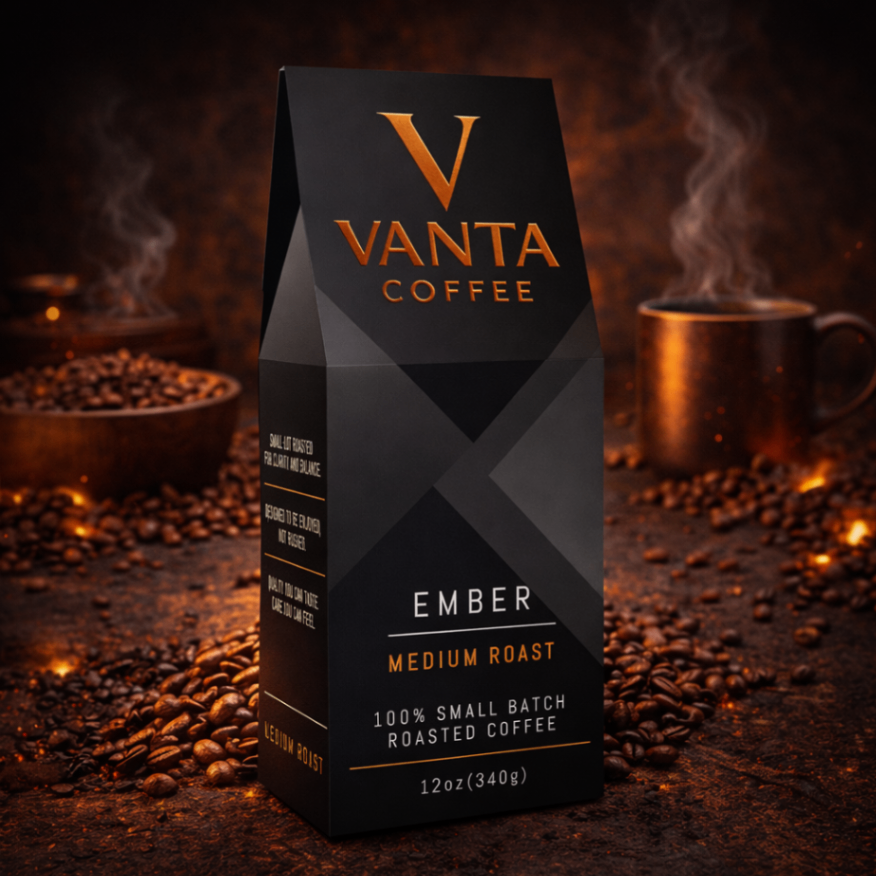
This is where "balance over impact" matters. We're not trying to blow your face off with intensity. We're trying to let the bean show you what it's capable of. Our Ember blend is a perfect example: medium roast, full clarity, zero shortcuts.
Mistake #4: Overlooking Bean Origin and Ethics
Mass producers source from large plantations focused on yield, not quality or sustainability. You're not getting transparency about who grew your coffee, how they were paid, or what farming practices were used.
How small batch roasters fix it: We work directly with small-lot growers who prioritize quality and sustainability over volume. It's not performative: it's the only way to get exceptional beans.
At Vanta, we don't just talk about ethical sourcing. We build relationships with farmers who care as much about their craft as we do about ours. That connection shows up in the cup.
Mistake #5: Missing Out on Variety
Mass-market coffee sticks to safe, crowd-pleasing blends. You'll see the same medium roast, dark roast, and "breakfast blend" everywhere. No surprises. No exploration.
How small batch roasters fix it: We experiment. Limited releases. Single origins. Different roast levels that actually mean something. Coffee doesn't have to be predictable.
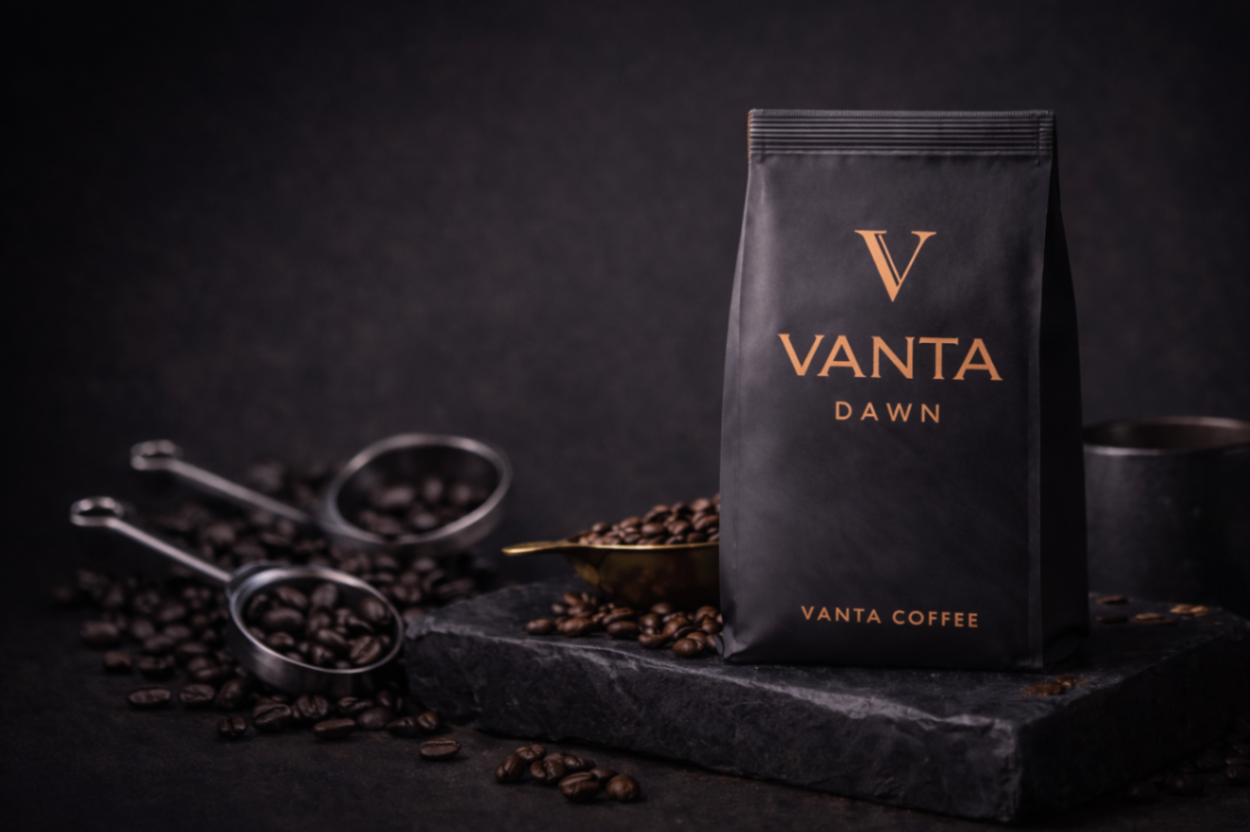
Whether you're reaching for Vanta Midnight (our dark roast that proves dark doesn't mean burnt) or Vanta Dawn (our lightest offering), you're getting intention, not autopilot.
Mistake #6: Losing the Connection to Your Coffee
When you buy from mass producers, you're just another transaction. No story. No transparency. No reason to care about what's in your cup beyond caffeine delivery.
How small batch roasters fix it: We share the process. Origin stories. Roasting decisions. Why we chose this bean and not that one. It's not marketing fluff: it's context.
Coffee tastes better when you know where it came from and who cared enough to get it right. At Vanta, we're not hiding behind corporate anonymity. This is our name on the bag.
Mistake #7: Ignoring Freshness After You Open the Bag
Even if you buy fresh beans, they start degrading the moment you break the seal. Most people don't think about this until their coffee starts tasting dull two weeks in.
How small batch roasters fix it: We package coffee to stay fresh longer: and we're realistic about consumption timelines. Our 12oz bags are sized for people who drink coffee daily, not occasionally. You'll finish the bag while it's still in its prime.
Pro tip: Buy whole beans, grind right before brewing, and store in an airtight container away from light and heat. But honestly? The best storage solution is drinking good coffee quickly.
The Bottom Line
Buying the best coffee beans online isn't about finding the most expensive bag or the most complicated tasting notes. It's about freshness, care, and intention.
Small batch coffee roasters aren't better because we're small. We're better because we can focus on what matters: quality over quantity, depth without force, and coffee that tastes like it's supposed to.
If you've been settling for "fine," it's time to raise the bar. Not by spending more. Just by expecting more.
Browse our coffee and taste the difference that intention makes.